
Ridgewood is a neighborhood in transition, where the echoes of its industrial and architectural past meet the energy of a new generation of families. With its distinct rows of brick houses and classic multi-family dwellings, the area carries a unique plumbing history. As more young families put down roots in Ridgewood, there is a growing trend of moving away from “visual guesswork” and toward a more scientific, data-driven understanding of their home’s water.
For a long time, the standard approach to water quality was simple: if it looks clear, smells fine, and tastes normal, it must be safe. But families in Ridgewood are starting to realize that relying on the senses is a risky strategy. When it comes to the water your children drink and use every day, you need more than a look; you need facts.
The Flaw in the “Looks Fine” Philosophy
It is an understandable instinct to trust your eyes. However, the most concerning contaminants in urban water supplies are frequently invisible. Heavy metals like lead, which can leach from aging service lines, do not change the color or the taste of your water. Neither do certain bacterial indicators that might suggest a compromise in your home’s plumbing seals.
When families decide to stop guessing, they aren’t necessarily expecting to find a major problem; they are looking for the peace of mind that only objective data can provide. Relying on visual observation is effectively waiting for a failure to happen, rather than being proactive about the health of your household environment.
Why Professional Testing is the New Standard
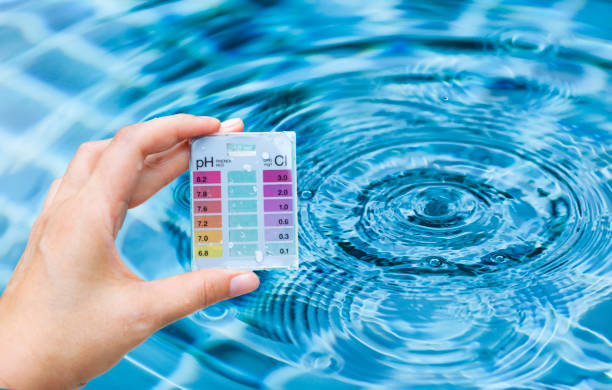
Ridgewood homeowners are becoming increasingly sophisticated in how they manage their property. They understand that a home is an asset, and like any other asset, it requires periodic check-ups. This is why more families are choosing to engage professional testing services rather than relying on store-bought, low-accuracy test strips.
What Real Data Tells You
When you opt for laboratory-grade analysis, you get a detailed profile of your water that a quick DIY kit cannot touch:
- Mineral Concentrations: You can identify whether your water is “hard” or “soft,” which helps in choosing the right filtration or treatment systems.
- Heavy Metal Detection: Professional labs use rigorous methods to detect trace amounts of lead or copper that may be leaching from internal plumbing.
- Sanitary Status: Professional sampling procedures ensure that the results reflect your actual water supply, not contaminants picked up from a dirty faucet or a poorly sanitized aerator.
If you are curious about why professional sampling is the only way to get a true picture of your home’s water, you can read more about why you should hire a water testing company to learn about the precision and chain-of-custody protocols that protect your findings.
Building a Safer Environment for Children
For parents, the primary driver for testing is the health of their children. Young children are inherently more vulnerable to environmental contaminants. In a neighborhood like Ridgewood, where many homes were built before modern plumbing standards were established, it is common to find old service lines or fixtures that are simply overdue for an update.
Testing is a proactive step. It allows you to know exactly what you are dealing with. If your results come back clean, you can breathe easier. If they reveal a specific issue, you have the data needed to make a targeted, cost-effective fix—rather than blindly replacing pipes or installing unnecessary filtration systems.
Navigating the Path to Clarity
If you are ready to stop guessing about your water, the process is simpler than most homeowners realize.
- Look for Consistency: Keep a record of any “funny” tastes or odors, or instances where your water looked cloudy after a water main repair in the neighborhood.
- Use Certified Experts: Work with testing services that are experienced with the specific residential plumbing profiles found throughout Queens.
- Get Your Questions Answered: Our faq is a great resource for Ridgewood families looking to understand the basics of water health without the technical jargon.
- Connect: Reach out and contact us to discuss your concerns. Whether you are in a historic single-family home or a larger multi-family property, we can help you determine the best testing approach for your situation.
Finally, stay informed by checking our blog for ongoing tips and industry news regarding urban water quality.
For technical resources on water standards, you can consult the New York State Department of Health or the EPA’s Drinking Water Requirements.
Are you ready to establish a baseline for your family’s water safety, or are you currently dealing with a specific issue you would like to have tested?