
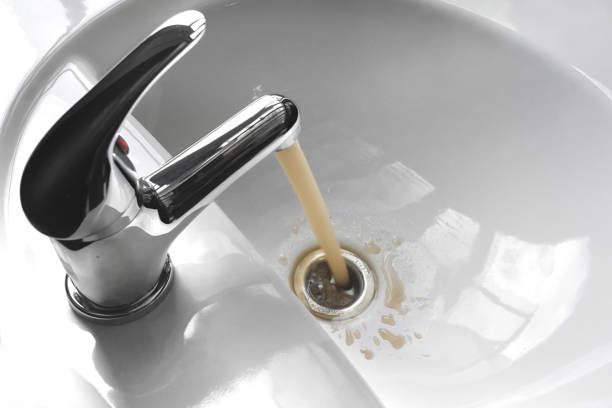
Brown water can turn a normal day into an immediate concern. A resident opens the faucet in a Jersey City apartment or home and suddenly sees water that looks rusty, tea-colored, or cloudy with sediment. It may clear after a few minutes, or it may continue long enough to raise serious questions. The mistake is treating every brown water complaint as harmless without checking the context. Sometimes the cause is temporary disturbance, but sometimes it points to conditions inside the building, such as iron, sediment release, corrosion, or old plumbing deposits. A professional water testing service can help separate a passing event from a water quality issue that deserves closer attention.
Brown water is usually not a single diagnosis. It can be associated with iron, manganese, disturbed sediment, pipe scale, or changes in flow direction after nearby work. In older cities, building plumbing can add another layer because deposits may collect inside pipes and then release when pressure changes. Residents should also compare what they see with broader water system information, such as annual reports available through EPA consumer confidence report resources. Those reports are useful, but they do not replace a sample from the actual faucet showing brown water. A local test answers a more direct question: what is happening at this property and this fixture.
Why Jersey City buildings can be complicated
Jersey City includes row houses, apartment buildings, mixed-use properties, renovated units, and older structures that have been repaired over time. That variety makes brown water complaints difficult to interpret without testing. A newly renovated kitchen may still connect to older supply lines. A building may have replaced some fixtures while leaving other plumbing components in place. A resident may see discoloration only after construction nearby, after a water shutoff, or first thing in the morning. Each pattern gives a clue, but a laboratory result provides stronger evidence than a visual description alone.
New Jersey also has active drinking water programs and standards that shape how residents think about water concerns. For lead-related issues, the New Jersey Department of Environmental Protection describes lead standards and replacement efforts for drinking water systems. Brown water is not the same as lead, but corrosion and old plumbing are often part of the same conversation. A resident who sees discoloration may want to test for iron and turbidity while also considering lead, copper, pH, and other indicators that help describe the plumbing environment more completely.
What testing can reveal beyond color
The color of water can tell you that something changed, but it cannot tell you enough by itself. A brown sample may contain measurable iron. It may show elevated turbidity. It may point toward sediment movement after plumbing work. It may also appear dramatic while the lab result shows a limited issue that clears after flushing. The opposite can happen too: water can look clear while certain contaminants are present. Testing gives residents a way to avoid overreacting to color alone or underreacting because someone says the problem is normal.
A good test plan can include metals, appearance-related indicators, and potability markers depending on the complaint. Iron and manganese help explain staining and discoloration. Lead and copper can add corrosion context. pH and hardness may help describe whether water conditions are interacting with plumbing materials. Bacteria testing may be useful when discoloration comes with odor, long stagnation, or unusual building history. Residents can review the broader menu of options on the site’s testing services overview before deciding what panel fits the situation.
Why one quick flush may not answer the question
Many residents are told to run the water until it clears. Flushing can be useful, but it should not be treated as a full investigation. A sample collected before flushing may show what residents first encounter. A sample after flushing may show whether the condition changes quickly. Comparing those samples can be more informative than either one alone. If brown water appears only after the water sits overnight, the timing of collection matters. If it appears throughout the building, the investigation may need more than one unit or fixture.
This is where professional help can save time. A water testing company can map the complaint to the right sampling points, decide whether first-draw and flushed samples both make sense, and help document what was observed. That is one reason residents often read about why hiring a water testing company matters before collecting bottles on their own. Better planning produces results that can be explained to landlords, property managers, family members, or contractors with less confusion.
Building a useful record
Jersey City residents should record when brown water appears, how long it lasts, which fixtures are affected, and whether nearby plumbing or street work occurred recently. Photos can be useful, but they should not replace testing. If the issue happens after building repairs, after a main break, or after a long period of vacancy, those details may matter. If only one faucet shows the problem, the fixture or local branch line may be involved. If multiple fixtures show the same pattern, a broader building or supply pathway may deserve attention.
Residents should also avoid assuming that brown water and drinking safety are identical questions. Aesthetic concerns, sediment, metals, and health-related contaminants can overlap, but they are not the same. The right test panel depends on what the resident wants to know. The EPA’s lead information is helpful when lead is part of the concern, while broader testing can look at multiple indicators at the same time. That layered approach is more useful than treating every discoloration complaint as only an iron problem.
A better response to a serious-looking problem
Brown water should not automatically create panic, but it should not be brushed aside either. In Jersey City, older buildings and varied plumbing histories make a real investigation worthwhile when discoloration is repeated, intense, or connected to drinking water use. Residents can start by choosing the fixture that shows the issue, documenting the timing, and asking for a panel that reflects the concern. To move from frustration to evidence, the practical next step is to contact Water Testing Companies and request a plan that explains what the brown water may be revealing.
A careful brown water investigation should also consider timing. Water that appears discolored only after a main shutdown may call for a different sampling plan than water that appears every morning. Water that affects only hot water may point toward a different part of the building than water affecting cold water at multiple fixtures. Jersey City residents should note whether the issue happens after rain, nearby street work, building repairs, or long periods without use. These details help a testing company decide whether to compare first-draw and flushed samples, whether to include multiple fixtures, and whether metals, turbidity, and corrosion indicators should be grouped together. The stronger the timeline, the easier the final report becomes to explain.
If the discoloration comes and goes, residents should not assume the issue has disappeared permanently. A repeat complaint can be more important than a single dramatic moment because it shows a pattern. Testing after the first observation and again after normal use may help explain whether the concern is temporary disturbance or something tied to the building plumbing. This is especially helpful when residents need to communicate clearly with a landlord, association, property manager, or contractor.