
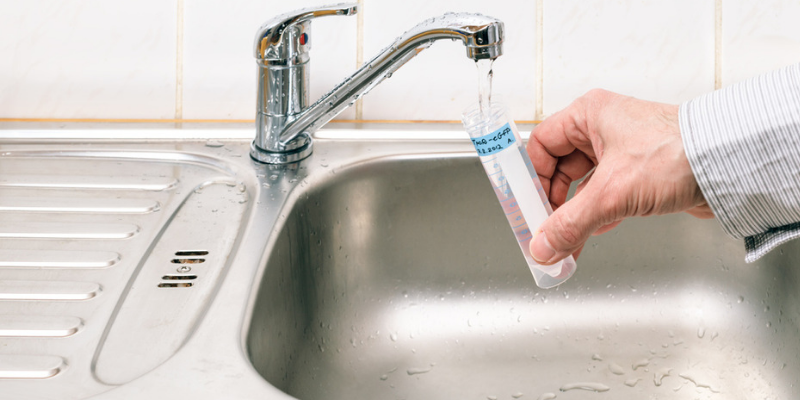
Manhattan living offers a unique blend of architectural history, from the soaring pre-war co-ops on the Upper West Side to the glass-walled condominiums of the Financial District. Yet, no matter the luxury or the age of your building, there is one common denominator that residents share: the internal plumbing system. When you notice a change in your water—perhaps a strange metallic taste, a persistent orange stain in the bathtub, or a slight discoloration—it is easy to feel frustrated.
The instinct is often to blame the city, the building management, or perhaps just a bad faucet. But in a complex vertical city like New York, diagnosing the source of water issues is rarely straightforward. Are the problems stemming from the building’s main riser, or is it isolated to your specific sink or shower head? This is where professional water testing services become an essential tool for every Manhattanite.
The “Local” Confusion: Fixtures vs. Infrastructure
In many Manhattan apartments, water quality complaints often fall into two buckets: localized fixture issues and systemic building-wide problems.
Fixture-Specific Issues
Sometimes, the problem isn’t the water itself, but the hardware it passes through. If you notice staining or a metallic taste only in one bathroom—but the kitchen water seems perfectly fine—the issue is likely isolated to the aerators, the shower head, or the local supply lines under that specific sink.
Older faucets can harbor mineral buildup, and shower heads can accumulate sediment or even biofilms over time. These fixtures act as “collection points” for particulates that might otherwise pass through unnoticed. When you replace a fixture and the problem persists, it confirms that the contaminant is originating further upstream.
Building-Wide Issues
When issues like brown water or chemical odors appear across multiple rooms or affect the entire apartment, you are likely looking at a building-level issue. Manhattan’s older buildings often rely on aging galvanized steel or copper piping that has been in place for decades. As these pipes corrode, they shed particles, which then travel into every unit in the line. Similarly, if your building uses a roof tank system, maintenance issues or stagnant water in the tank can significantly impact the quality of the water that reaches your unit.
Distinguishing between these two scenarios is crucial because the solutions are vastly different. Fixing a faucet is a quick afternoon task; addressing a systemic corrosion problem requires a much more significant conversation with building management. Relying on professional water testing is the only way to get the evidence needed to distinguish between a minor maintenance fix and a systemic plumbing overhaul.
Why Professional Data Matters
It is natural to try and troubleshoot with home test kits or simply by observation, but these methods often lack the precision needed to make high-stakes decisions.
A home test kit might tell you there is “iron” present, but it won’t tell you the concentration or whether that iron is dissolved (ferrous) or suspended (ferric). These distinctions dictate the type of filtration or repair needed. For instance, if you are experiencing lead leaching—a concern in many of the city’s older structures—you need precise laboratory numbers to compare against EPA health guidelines.
When you hire a water testing company, you aren’t just getting a “pass” or “fail” grade. You are receiving a diagnostic map of your plumbing system. You can test the water directly from the building’s entry point to your apartment and compare it to the water from your specific tap. If the entry point is clean but your tap is not, you have successfully isolated the problem to the plumbing within your own walls. If both are dirty, you have evidence that the building’s infrastructure is failing.
Protecting Your Investment and Health
In a city where real estate is at a premium, the quality of your home’s utilities is a major component of your property’s value. Whether you are an owner-occupant or a long-term renter, you have a stake in the quality of the water you consume.
Persistent water issues can lead to damage beyond just the water itself. Aggressive, acidic water can damage dishwashers, washing machines, and even the porcelain of your fixtures, leading to expensive repairs. By identifying the root cause of your water issues early, you can often save thousands in unnecessary plumbing work.
For those who are unsure where to begin, our frequently asked questions provide a roadmap for understanding the signs that your water quality has been compromised. From there, you can move toward solutions that fit your specific living situation.
Taking Action in the City
Manhattan residents are accustomed to being proactive. Whether you are coordinating a gut renovation or simply looking to ensure the health of your family, knowledge is your most powerful tool.
Don’t let a lingering “off” taste or a recurring stain be a mystery you just learn to live with. Professional testing allows you to skip the trial-and-error of replacing faucets and pipes that aren’t the problem, and instead allows you to focus your resources on the actual source of the contamination.
If you are ready to get the facts, our local office is here to assist. We specialize in navigating the nuances of NYC building systems and can provide you with the data you need to advocate for your home and your health. For more insights into how to maintain the highest quality of life in your apartment, check out our blog for ongoing tips on home water management.
When you have questions about what is coming out of your pipes, the most reliable answer comes from a laboratory-certified test. Contact us today to schedule a consultation and take the first step toward clearer, cleaner water for your Manhattan home.