
Managing a Manhattan co-op is a complex balancing act. Between historic facades, legacy plumbing, and the constant need to balance capital improvements with monthly maintenance fees, Co-op Boards have a lot on their plates. Among these responsibilities, none is more critical—or potentially contentious—than the quality of the building’s water.
When residents begin to report issues—whether it’s a metallic taste, intermittent discoloration, or concerns about lead—the Board is often the first point of contact. Making the right decisions about water testing is not just about addressing a single complaint; it is about protecting the building’s primary asset and the health of its shareholders.
The Pitfalls of Reactive Testing
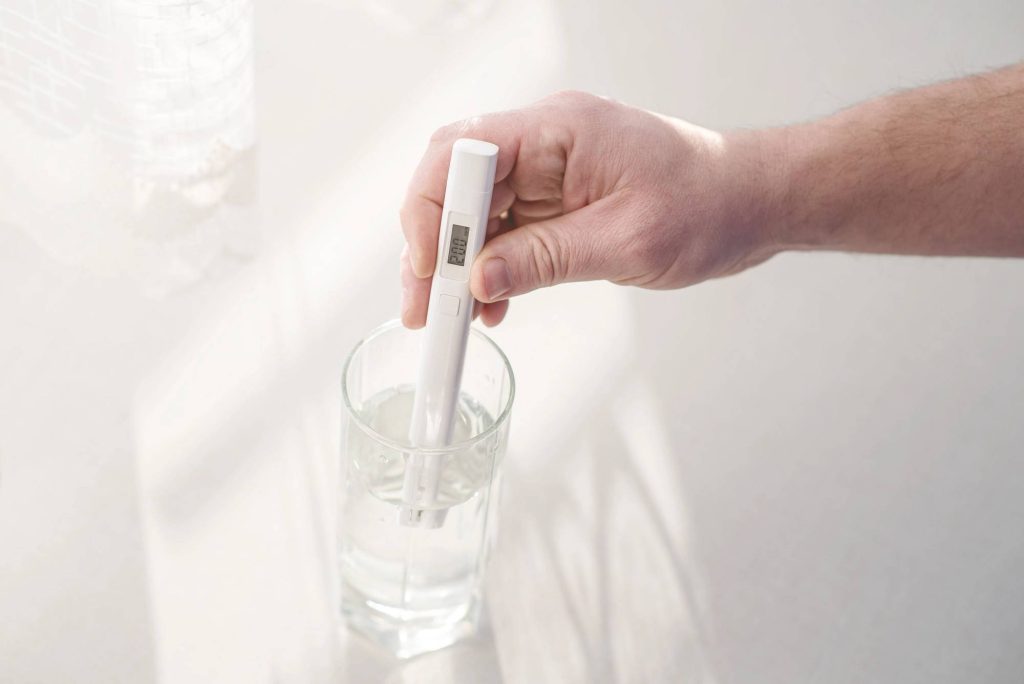
Too often, buildings fall into a cycle of “reactive testing.” A resident complains, the building manager calls a local plumber to “take a look,” and perhaps a low-cost, off-the-shelf test kit is used. This approach rarely provides the actionable data a Board needs to make a long-term capital decision.
Reactive testing often leads to:
- Incomplete Data: Basic test kits often fail to detect the specific heavy metals or bacterial indicators that might actually be present.
- Lack of Credibility: If a Board needs to justify a multi-thousand-dollar plumbing repair to shareholders, they need a report that carries professional weight.
- Wasted Expenditure: Installing point-of-use filters or performing “quick fixes” in individual units often masks a building-wide issue, leading to higher costs in the long run.
Why Professional Data Is a Board’s Best Asset
When a Board engages professional testing services, they are doing more than just checking for contaminants. They are establishing a defensible baseline of the building’s infrastructure health.
1. Identifying the Scope
Is the issue localized to a specific riser, or is it a symptom of the main water service line? Hiring a water testing company allows the Board to differentiate between a singular, easily fixed pipe in one unit and a systemic issue that requires a wider building improvement plan.
2. Protecting the Building’s Reputation
Shareholders care deeply about their home’s value. Being able to provide transparent, laboratory-certified documentation regarding water quality is a significant asset during building communications. It demonstrates that the Board is taking proactive, science-based steps to maintain the property.
3. Precision Planning
Data allows a Board to be surgical with their budget. Instead of replacing an entire building’s plumbing stack—a massive, invasive, and costly project—testing might reveal that the issue can be managed through targeted upgrades, such as specific valve replacements or updated filtration at the building’s main entry point.
Establishing a Standardized Process
For a Board looking to professionalize their approach to water quality, the process should be consistent and transparent.
- Standardize Sampling: Ensure that all tests are conducted by professional testing services following rigorous chain-of-custody protocols. This ensures the results are accurate and legally defensible.
- Maintain Records: Keep a historical log of all water quality reports. Over time, these reports can help Boards identify trends—such as seasonal water quality fluctuations—that might not be visible in a one-time test.
- Communicate Clearly: When a concern arises, communicate the Board’s plan clearly. Letting shareholders know that the building is utilizing certified, laboratory-grade testing helps reduce anxiety and prevents the spread of misinformation.
How to Get Started
If your Board is facing questions about water quality or is planning for upcoming infrastructure maintenance, the first step is gathering reliable information. Our faq can help answer common questions about what different contaminants mean for a building of your size and age.
We work with management companies and Boards throughout the city to provide the clarity they need to make smart, evidence-based decisions. You can view our locations to see if we currently serve your area, or contact us to schedule a consultation with our technical team.
For additional resources on industry standards, infrastructure best practices, and trends in urban water quality, we encourage you to follow our blog.
For technical regulatory information regarding New York City building standards, we suggest consulting the NYC Department of Environmental Protection or the federal guidelines set forth by the EPA’s Drinking Water Requirements.
Does your Co-op Board have an existing water quality monitoring plan, or are you looking to conduct an initial assessment of the building’s current infrastructure?